


When choosing the right pet food, you have a multitude of options. You can find organic or holistic food options, or feed your pet other animals’ byproducts. By-products of animal production are a great source of food for cats and dogs. Some of them are so nutritious that wild animals eat them first. While you should be careful with these foods, others consider them a delicacy.
Choosing the Right Pet Food
To ensure your pet is receiving adequate nutrition, choose a food that provides all of the basic building blocks your pet needs. A complete feed contains all the nutrients the animal needs and can be given daily. The content is based on the recommendations of FEDIAF or AAFCO. Complementary food, on the other hand, should be part of the diet. They should be given in combination with another type of food to meet your pet’s daily needs. A guaranteed analysis statement gives you the minimum and maximum percentages of crude fat and protein.
Optimizing Pet Nutrition
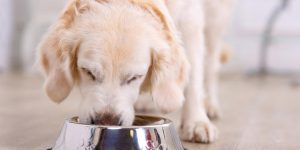
A low-fat, low-carb diet can be an uncomfortable choice. It’s important to know how much of each ingredient you need. You give your pet. Most often, the protein content is the most important ingredient in a food. A good quality feed contains a protein source. The protein content supports your dog’s digestive system. The carbohydrates found in some products are not necessary for your pet’s diet. Quality pet food also contains the right amounts of minerals and vitamins.
Its nutrients consist of high-quality vegetables and grains. A balanced diet contains essential vitamins such as vitamin A and vitamin D. Your pet will also benefit from minerals such as zinc and phosphorus. You also need the right amount of fat and fibre. your pet the best possible nutrition for your pet’s needs. It’s important to know what your pet needs to stay healthy and avoid giving too much.
Incorporating Nutrient-Dense Meat in Your Dog’s Diet
A healthy diet also includes a variety of meat products. Your dog’s favourite food should contain nutrient-dense protein. Meat may consist primarily of muscle tissue, but may also contain fat, cartilage, and other tissues. However, bones are not a good source of protein. Meat in pet food is mechanically separated from the bone. This grinds the meat into a fine powder that has a sausage-like consistency. Many types of pet food contain ingredients that are used as preservatives to help preserve them.
The Role of Preservatives in Pet Food
Some are man-made and others occur naturally. Vitamin C and E are added to keep pet food fresher for longer. These are generally safe to use as long as they are approved by the food industry. However, they must be labelled as a preservative if you want to ensure the safety of your pet’s food. The preservatives you use must be safe for dogs. , and used sparingly.