

Have you ever thought about how airplane wings remain sturdy despite being lighter than a car door? Or how racing cars speed around circuits without breaking down? The key often lies within a material called prepreg. This material may appear complex, though it’s changing how we make everything, from sports equipment to spaceships.
What Are Prepregs Anyway?
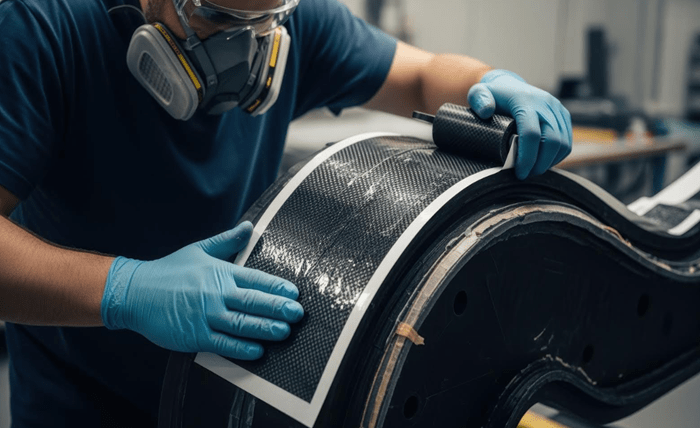
The term “prepreg” describes a material that has been pre-impregnated before use. Imagine a piece of fabric still tacky with the potent wet glue it’s saturated in. Essentially, prepreg is the same, but the “fabric” is crafted from carbon fiber or fiberglass, and its “glue” is a specialized resin. Engineers arrange these sheets in particular designs and then apply heat. The resin sets and secures everything in place. What you receive is a substance that is remarkably sturdy yet unexpectedly lightweight. The best part is that you can mold it into nearly any shape you desire before it sets.
Why Everyone’s Going Crazy for Lightweight Design
Weight is more significant than many individuals understand. In aircraft, each additional pound of weight results in thousands of dollars in fuel expenses throughout the plane’s lifetime. Sports car makers understand that lighter cars speed up more quickly and maneuver more effectively. Even manufacturers of smartphones consider weight since no one desires a hefty object in their pocket.
Steel and aluminum have served us well. They have drawbacks, though. Steel is strong, yet heavy. Aluminum is lighter, but weaker. Prepregs offer both strength and lightness.
How Prepreg Materials Outperform the Competition
According to the experts at Axiom Materials, composite prepregs offer several advantages, unlike traditional materials. They resist corrosion better, lowering maintenance and extending life. They also reduce vibrations for quieter, more comfortable vehicles.
The strength-to-weight ratio is where prepregs truly excel. A prepreg component can weigh five times less than steel while preserving equivalent strength. The performance disparity keeps expanding as producers create improved resins and fiber combinations.
Resistance to temperature is another significant advantage. Many prepreg materials perform better than metals in extreme heat and cold conditions. This makes them ideal for uses such as jet engines and equipment for space exploration.
Real-World Applications That Matter
The aerospace sector embraced prepregs quickly and has consistently advanced since. Modern passenger planes use these materials for wings, the body, and the interior, all made to create a smooth ride. Less weight results in better fuel economy and reduced emissions.
Automotive manufacturers currently use prepregs for a range of applications, including body panels and structural elements. Manufacturers of electric vehicles particularly favor these materials since lighter vehicles lead to increased battery range.
Sports gear has undergone changes as well. Tennis rackets, golf clubs, and bicycles constructed from prepreg materials exhibit superior performance compared to their conventional versions. Professional athletes perceive the distinction right away.
Even blades for wind turbines depend on prepreg technology. Extended, lighter blades harness greater wind energy and endure severe weather conditions.
Challenges and Future Developments
Prepreg materials have their flaws. They are more expensive. They require special equipment and expertise. Recycling is still difficult. Scientists are making progress though. However, the outlook seems good. Researchers are creating bio-based resins that might enhance the eco-friendliness of prepregs. Novel fiber varieties offer enhanced performance benefits. Automated manufacturing should cut costs.
Conclusion
Prepreg technology continues to advance swiftly. As expenses drop and efficiency rises, we will observe these materials in a greater number of common items. Your upcoming vehicle may feature prepreg body panels. Upcoming constructions might utilize prepreg structural components. Lightweight design is crucial, not just a trend. Climate change and resource limits push industries to be more efficient. Prepregs offer a sustainable performance solution.